-
 May 30, 2025
Advanced Security in 2025: The Growing Role of Smart Locks
The worldwide smart lock market is projected to hit over $6 billion by 2025, indicating a massive transformation in how businesses consider security. As new kinds of threats to physical security emerge and more people choose contactless solutions, organizations in many sectors are using smarter locks and access control tools to protect their assets and people.
Nowadays, businesses must use more than just locks and keys. Now, access control systems are not just some luxury; they have become important for daily work processes. Whether the business is a workplace, store, or multi-floor property, companies are now figuring out smarter ways to control access.
By 2025, smart locks will not only be meant to offer convenience; they will become full security tools. Any business wanting to update its facilities now needs to install a new door access control system as a priority.
What Are Smart Locks and How Do They Work?
Smart locks are a type of modern locking that provides keyless access with smartphone applications, PIN codes, fingerprints, or RFID via cards. Users of smart locks can secure their doors, supervise who has visited their property, and give permission to guests in remotely via an app. A number of security cameras also have biometric features, such as fingerprint scanning, to secure your office even more.
Smart locks focus on connectivity. The majority of them work with Bluetooth, Wi-Fi, or Z-Wave and can be connected to automation systems or integrated with cloud-based access management platforms. This connection permits remote control and monitoring in real time, whether you’re at the office or away.
Many smart locks can easily be connected to a wider door access control system installation. When attached to intercoms, video doorbells, or multi-door systems, they become part of a comprehensive access control system installation. This is particularly useful for businesses or multi-unit buildings looking to centralize security operations.
Smart locks do more than make life convenient; they also improve security. As a result of activity logs, instant warnings, and automatic locking, users know more about who visits their property. If you lose your keys, that’s not a worry, and access permissions may be altered or removed quickly. In short, smart locks offer a modern blend of convenience and improved security, making them an essential upgrade in today’s connected environments.
The Evolution of Door Access Control Systems
How door access control systems are installed has undergone major changes over the past years. At first, a building or space could only be secured with physical keys. While keys are inexpensive, they come with problems: duplicate keys, lost keys, and no easy way to check who is using them. Over the years, people started using PIN-based keypads and magnetic card readers as replacements for traditional locks.
The implementation of RFID and biometric solutions became a key moment in the field of access control system installation. This led organizations to manage their privacy better and made things smoother for users. Cloud access control has become standard these days, making it possible for users to handle all their security matters in real time, with their mobile devices and with effortless updates. As demand for adaptable, capable, and intelligent protection rises, the industry is developing accordingly.
Role of Smart Locks in Modern Access Control
Smart locks are now an important component of current access control system installations. Using a smartphone app, Wi-Fi, or Bluetooth, you can open or close your locks remotely. Several models of smart locks are able to lock themselves, provide individual user codes, and send notifications to a mobile device. That’s why they work so well in workplaces and co-working spaces.
Property managers can change access rights on a smart lock instantly, without having to exchange physical keys. They join forces with common security tools to provide one simple process for access management. The use of these technologies moves access toward being more flexible, linked, and smart.
Benefits of Modern Access Control Systems
Centralized control is a top advantage of a contemporary door access control system installation. It is possible to handle many doors and users centrally from the dashboard, which simplifies security tasks. This approach can be very useful for places with different access solutions across their sites.
One more important benefit is the capability to keep audit trails. Using access logs, you can see who moved into which zone and when, which helps maintain accountability and assists in investigations. Having access only at certain times protects resources and secures the workplace. Such benefits make it possible for a facility to operate more securely and efficiently.
How Smart Locks Complement or Upgrade Existing Door Access Control System Installations
Smart lock systems are often put in place to improve or change traditional door access control installations. Smart locks can update buildings with old systems, making them more modern, without requiring major system changes. They help companies save money when they need to match old hardware to new software.
Placing smart locks within an existing access control system allows organizations to use mobile access, distribute temporary visitor access, and unlock or lock doors from anywhere. This way, security gets better, and there are more options for being flexible. By themselves or integrated into an access control system, smart locks increase the strength of security measures found in most buildings.
Top Trends in Smart Lock Technology in 2025
With companies placing greater importance on security, convenience, and easy integration, smart lock technology has advanced rapidly this year. Modern workplace smart locks now have biometric security and advanced AI-powered safety, especially made for commercial areas. Here are the top trends transforming door access control system installation for businesses:
Biometric Authentication (Face, Fingerprint)
Biometric identification is now vital to the installation of current access control systems. Fingerprint scanners and face recognition cameras make it easy for you to enter, so you no longer rely on normal keys or cards. The technology can recognize a person’s identity even if it is dark or if the subject is wearing protective clothing. When biometric logs are used, reliable security records and responsibility are ensured at business facilities.
AI-Based Threat Detection and Auto-Locking
Smart locks with AI can now spot possible hazards almost immediately by reviewing how someone behaves and the situation around them. When the system detects someone trying to force a door or access the building differently, it prompts it to become secured, notifying security right away. As a result, response times decrease, and it makes sure that cybersecurity incidents are prevented before there is a real threat. AI allows companies to keep their security systems intact after hours, without being closely watched by people.
Remote Monitoring and Instant Alerts
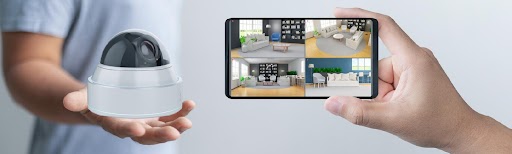
Managing enterprise smart locks is now possible from anywhere using strong cloud connections. Employees and facility managers can keep an eye on who enters and exits from anywhere using their smartphone or a web application. Staff members are updated immediately with SMS alerts or notifications when access is attempted illegally, when doors are breached, or if there is a problem with maintenance. Such awareness ensures stability in operations and helps boost all forms of security practices.
Integration with Smart Building Ecosystems
Most of today’s smart locks work seamlessly with the building’s HVAC, lights, and security system. By using a centralized platform, companies can manage employee schedules, regulate energy use, and set up how to respond during emergencies. As a result, things are done more smoothly, less power is wasted, and everyone can respond to needs more quickly.
Energy-Efficient and Battery Innovations
Modern smart locks are built to last and maintain their functions with only minimal amounts of energy. New inventions such as power from door use and the addition of solar cells have made batteries last a lot longer. With such energy-efficient systems, you do fewer replacements and can still use the appliance during power outages.
Enterprise-Grade Smart Lock Solutions
Today’s enterprise smart lock systems are built to manage the needs of large organizations. With these systems, you can manage authorization for multiple sites, have roles determine what a person can do, and securely share information. These buildings are designed to withstand tough situations and follow tough rules. Scalability, central IT management, and high reliability make businesses an important asset in modern access control design.
What to Look for in an Access Control System Installer
Deciding on the right installer for your access control system matters a lot for business security. These are the points you should pay close attention to when choosing someone to install an access control system.
Proven Experience with Commercial Smart Lock Systems
Look for experts with plenty of experience in handling smart locks for businesses. Experts know that different businesses have unique needs, such as managing employee access and dealing with crowded areas. Because of their experience, they carry out the full installation and setup of extra features such as remote access and real-time monitoring.
Knowledge of Legal and Regulatory Compliance
The person handling your installation should understand all local building codes and the ADA and safety standards. A system that is compliant offers legal security and guards your business from taking on additional risks. Qualified installers develop sites with both access and security in mind.
System Integration Capabilities
Your modern access control system should fit effortlessly into your current security setup. Pick an installer who has the experience to link your smart locks to surveillance cameras, intrusion alarms, and systems used to manage the building. As a result, everyone is using the same system, which improves how fast responders notice and handle a situation.
Conclusion
Smart locks are now an essential part of keeping businesses safe, rather than simply looking to the future. Through them, guests, staff members, and contractors enter and exit safely while the area is watched all the time. When physical threats keep changing, using simple locks is a mistake businesses cannot make.
Using smart locks for your business will secure your premises, improve daily workflows, decrease your operational expenses, and set your business up for the future.
Ready to upgrade your access control? Schedule a free site assessment or consultation today and discover how a tailored door access control system can protect your premises and empower your team.
Our Service Area
- Anna
- Ardmore
- Aubrey
- Bridgeport
- Briar
- Bonham
- Caddo Mills
- Carrollton
- Celina
- Commerce
- Corinth
- Denton
- Keller
- Justin
- Emory
- Farmersville
- Forney
- Fort Worth
- Frisco
- Gainesville
- Granbury
- Lantana
- Lewisville
- Lavon
- Little Elm
- McKinney
- Murphy
- Nevada
- Northlake
- Pilot Point
- Plano
- Princeton
- Quinlan
- Rhome
- Rockwall
- Royse
- Sachse
- Saginaw
- Sanger
- Sherman
- Sulphur Springs
- Sunnyvale
- Terrell
- Van Alstyne
- Prosper
- Wylie
- Weatherford