-
 Apr 24, 2025
Access Control System Installation Cost Breakdown in 2025
Security in 2025 is not just about locks and keys, it’s about protecting your assets, data, and people with smarter, more responsive solutions. With rising threats ranging from unauthorized entry to data breaches, businesses face greater pressure to enhance physical security without slowing down operations. That’s where access control systems come into play.
The access control system installation is a pressing topic in today’s security landscape. An access control system enables you to control who is allowed access to the building at what times and under what conditions, ensuring that unauthorized access is prevented while maintaining a smooth workflow. These systems provide control and convenience, whether you operate a small office or a large facility.
With the need for better security systems rising, many companies are looking into access control installation with things like card readers, keypads, and maglock door installation to improve their safety. This guide will take you through everything you need to know — from initial installation costs to long-term benefits for commercial buildings. If you want to upgrade your security in a scalable, tech-forward way, you’ve come to the right place.
What Is an Access Control System?
Access control systems are a form of security solution that enables you to regulate who can access a specific building, room, or area and when they can access those locations. Think of it as a smarter, more customizable version of traditional keys and locks. Rather than issuing physical keys that can easily be lost, stolen, or copied, businesses now have electronic systems that allow for a lot more control and visibility.
The most common types of access control system installations include electronic access control, fingerprint access control, maglocks, readers, and timekeeping devices.
Electronic Access Control vs Traditional Locks
Stuck between the electronic access control vs traditional locks? The Traditional locks are straightforward but limited. They cannot monitor entry times, limit access to some users, or be deactivated instantly.
Conversely, electronic access control systems require a keycard, PIN, or even an app to gain access to an area. These allow businesses to set permissions, track activity, and respond quickly to security concerns.
Fingerprint Access Control: A Modern Security Solution
Fingerprint access control is a modern security solution, utilizing unique fingerprint patterns for granting or restricting users’ access to the office. It is gaining traction in the health care, finance, and office environments in which security and accountability are paramount.
Compared to the traditional methods, such as keys, it is a secure and efficient alternative and ensures that only authorized individuals make their way to the office and not others.
Types of Access Control Systems and Their Features
A well-implemented access control system is paramount to the security of your business and the continued, uninterrupted running of your operations. Here’s an overview of the most common varieties of systems, with their defining features, advantages, and best use cases.
Card-Based Systems
Card-based systems utilize access cards or fobs, which employees swipe or use to gain entry. Such systems are also common because they are easy to deploy and inexpensive to install. They’re a great option for mid-sized companies that want affordable security that integrates with existing infrastructure. But cards can be misplaced or duplicated, which could be a security risk.
PIN/Keypad Systems
These systems require users to enter a code to access these restricted areas. They’re inexpensive and need no physical credentials, which makes them convenient for smaller offices. The drawback is that codes can be easily shared or forgotten, and regular changes may be necessary to keep them safe.
Biometric Systems
Fingerprint and retina scan access control are highly secure methods, as they validate unique physical characteristics. There’s no way to duplicate these systems, so they’re perfect for higher-security environments such as healthcare or finance. But they require higher upfront investment and may trigger privacy concerns among users.
Mobile-Based/Cloud Systems
These let users get access with their smartphones, sometimes via Bluetooth or NFC. One of the significant advantages of cloud-based systems is real-time monitoring, remote access management, and improved scalability. This makes them one of the best access control systems for small businesses that want to modernize their operations while keeping security flexible.
Factors That Influence Access Control Installation Costs
The average price of access control installation can differ significantly depending on a few most important factors. If you were determining security for a small office or multiple buildings, a full view of these variables is critical to help you plan your investment as wisely as possible. Here’s an overview of the key factors that affect the overall access control system installation cost.
Type of System Installed
Your access control system will have a large effect on pricing. Basic card key or keypad systems are usually an inexpensive option, and more sophisticated solutions, such as biometric (fingerprint or facial recognition), will typically increase costs. Maglock door installation is a popular option for many commercial spaces, as it offers a level of security that is both affordable and effective.
Number of Entry Points or Doors
The price goes higher with each door or entry point. That encompasses not just the hardware but the configuration, wiring, and labor for each site. A small business might be able to make do with one or two access points; a large facility might need to deploy dozens.
Hardware Requirements
Physical hardware, including but not limited to card readers, maglocks, access panels, and control boards, also comes at varying costs depending on quality, brand, and security level. Higher-end systems with encrypted readers and backup battery functions are pricier but better for long-term use.
Wiring and Infrastructure Needs
Existing old buildings that don’t have the new electrical infrastructure may need to go through massive upgrades before being ready to accommodate a new access control system. Pulling new wiring, adding control panels, and ensuring power availability all add to installation time and labor.
Labor and Technician Fees
Professional Installation is typically done by licensed technicians to ensure security and compliance. Costs can also differ according to your location, system complexity, and the time it takes to finish the work.
Integration with Existing Security Systems
Access control integrated with video surveillance, alarms, or building automation systems will incur further costs to check compatibility, license versions of software, and/or configure systems. But these integrations can grow efficiency and thus the long-term return on investment.
Benefits of Access Control for Commercial Buildings
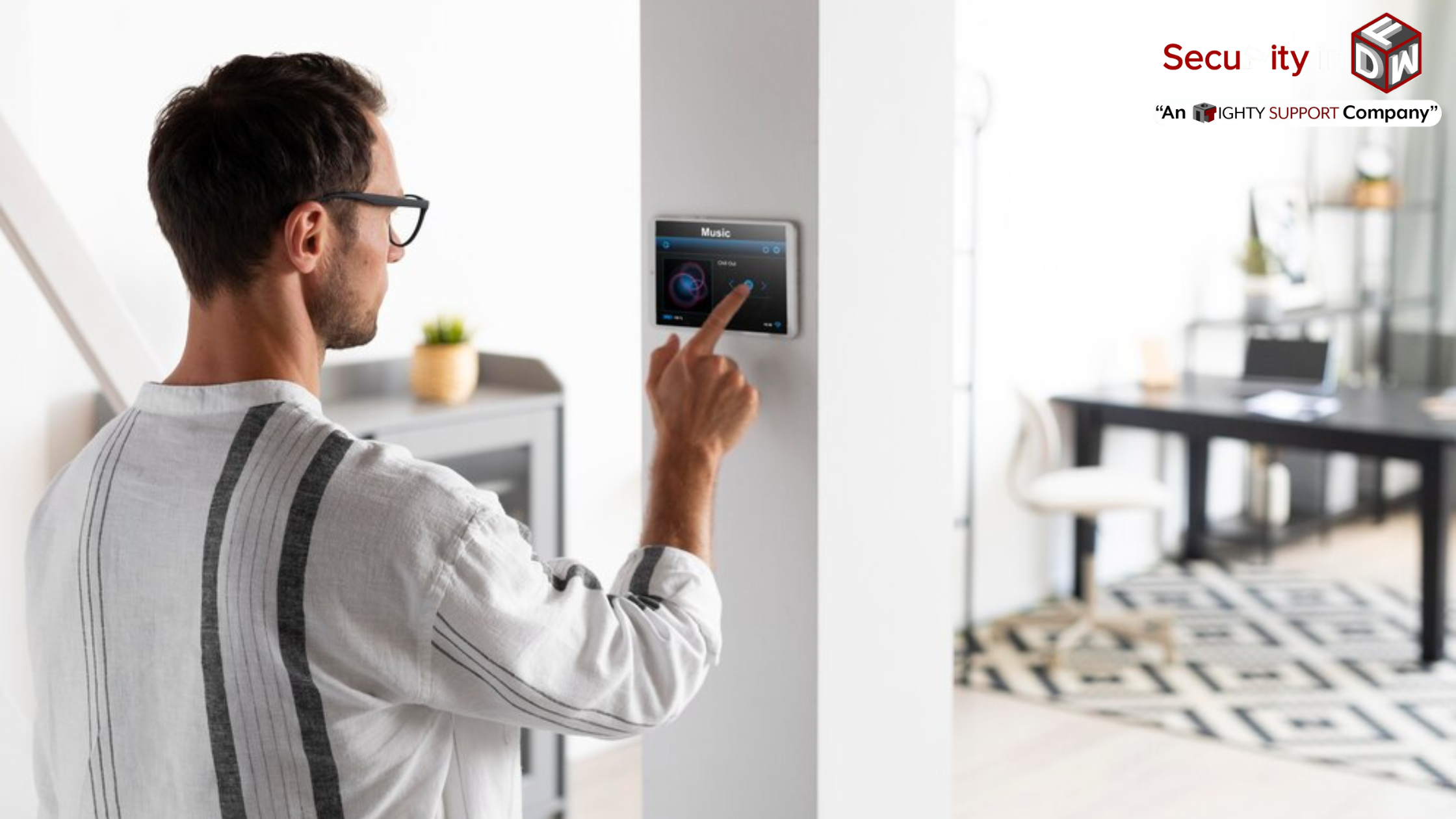
In the fast-changing landscape of today’s business world, security is an imperative. The benefits of access control for commercial buildings go beyond locks and unlocking doors. These contemporary solutions are essential for maintaining safety in the workplace, optimizing operational efficiency, and meeting compliance standards across industries.
Improved Security and Real-Time Monitoring
Access control solutions improve overall security by controlling who can access specific locations and at what times. Digital credentials (like keycards, mobile access, or biometric scans) are more difficult to compromise than traditional keys, which can be copied, stolen, or lost. Such systems are also used to monitor in real time, giving you instant notifications of any unauthorized access attempts or other strange activity, and enabling quick response if necessary.
Reduced Internal Theft and Unauthorized Access
Internal thefts are one of the least talked about but serious threats in commercial premises. Access control allows businesses to tailor employee access according to their role, location, or time of day. This not only minimizes exposure to sensitive areas, but it also provides accountability to the individual and helps prevent theft or improper usage. It’s a pragmatic deterrent that secures physical and digital assets.
Remote Management and Access Logs
Another important advantage of access control for commercial buildings is the ability to manage the system remotely. For those managing a single office or multiple locations, administrators can control access permissions, revoke credentials, or review logs from any internet-connected device. Detailed access logs give a clear record of who entered, when, essential for audits, investigations, or incident review.
Simplified Employee Access and Onboarding
Access control makes it easy to grant and revoke employee access. No more collecting keys or worrying about rekeying locks. New employees can be immediately granted access to relevant areas in the workplace, and when a worker leaves the organization, their access can immediately be turned off, enhancing both security and efficiency.
Regulatory Compliance and Industry Standards
Many industries, such as healthcare, finance, and legal, for example, are tightly regulated in terms of access and data protection. Access control systems can help businesses comply with these regulations by ensuring an auditable trail of access, secure access logs, and a systematic approach to entering sensitive locations. Not only does that help assure compliance, but it builds trust with clients and stakeholders as well.
Cost-Saving Tips for Businesses on Access Control Investments
You don’t need to kill your budget to implement or upgrade your access control system. By using a strategic approach, businesses can minimize upfront costs and build the foundations for long-term efficiency and scalability. Here are four intelligent strategies you can use to save money without sacrificing quality or security:
Bundle Access Control with Other IT or Security Upgrades h3
One of the most impactful cost-saving opportunities is to bundle your access control installation with other IT or physical security upgrades. Many companies are already spending on surveillance systems, network overhauls, or managed IT services, so bundling these projects can help lower overall labor costs and minimize downtime, and streamline vendor coordination. Alternatively, bundling enables better infrastructure planning and minimizes the effort needed for cabling hardware installations or system integration later.
Choose Scalable Systems from the Start
For growing businesses, scalability is important. Investing in a system that can scale with your business as you add doors, buildings, or users prevents costly replacements down the road. Modular systems that let you add components as you need them provide flexibility and long-term savings potential. Consider multi-cloud systems that prevent you from hard-wiring into rigid infrastructure, where you need a complete capacity replacement to change it.
Leverage Cloud-Based Access Control Systems
Cloud-based access control systems do not require the need for on-site servers, which can be costly and may incur ongoing maintenance costs. They also provide centralized management, streamlined updates, and remote access, and will save both time and operating costs. This can be extremely beneficial to businesses, as subscriptions allow for predictable budgeting and lower capital expenses.
Work with Certified Installers
This is why hiring the professionals certified and experienced professional installers will minimize errors, system failures, and costly rework. Professionals make sure that everything is up to local codes, with proper hardware placement, and that it integrates smoothly with your existing systems. Ensuring that you have the right team from the beginning saves time, prevents security loopholes, and avoids extra costs incurred through bad installation.
Conclusion
An investment in the right access control solution not only improves security, but it’s a strategic step toward ensuring the security of your people, assets, and operations. In an environment in which physical threats and unauthorized access are all too real, companies cannot afford to depend solely on outdated or unreliable systems.
Although cost is always a consideration, the focus should be on long-term protection, reliability, and flexibility. The right solution does more than simply keep your property secure; it saves time and effort on daily operations, mitigates risk, and maintains compliance with industry standards.
Expertise makes sure your investment in access control pays off, whether you’re upgrading hardware you already have in place or installing for the first time.
Ready to protect your property without overspending?
Schedule a free consultation with our certified access control installation team today. Let’s build a solution that fits your needs and your budget.
Our Service Area
- Anna
- Ardmore
- Aubrey
- Bridgeport
- Briar
- Bonham
- Caddo Mills
- Carrollton
- Celina
- Commerce
- Corinth
- Denton
- Keller
- Justin
- Emory
- Farmersville
- Forney
- Fort Worth
- Frisco
- Gainesville
- Granbury
- Lantana
- Lewisville
- Lavon
- Little Elm
- McKinney
- Murphy
- Nevada
- Northlake
- Pilot Point
- Plano
- Princeton
- Quinlan
- Rhome
- Rockwall
- Royse
- Sachse
- Saginaw
- Sanger
- Sherman
- Sulphur Springs
- Sunnyvale
- Terrell
- Van Alstyne
- Prosper
- Wylie
- Weatherford