
 Apr 15, 2025
What Is an Access Control System & Why Your Business Needs One
What Is an Access Control System & Why Your Business Needs One
In a digital-first world, security conversations today are typically about firewalls, antivirus software, and data protection. While these are vital, physical security is equally important and often neglected. This is because if someone has physical access to your systems or facility, even the most secure network can be compromised.
So here’s the important question: How can you be sure who’s entering your office, when they’re entering, and if they even should be there?
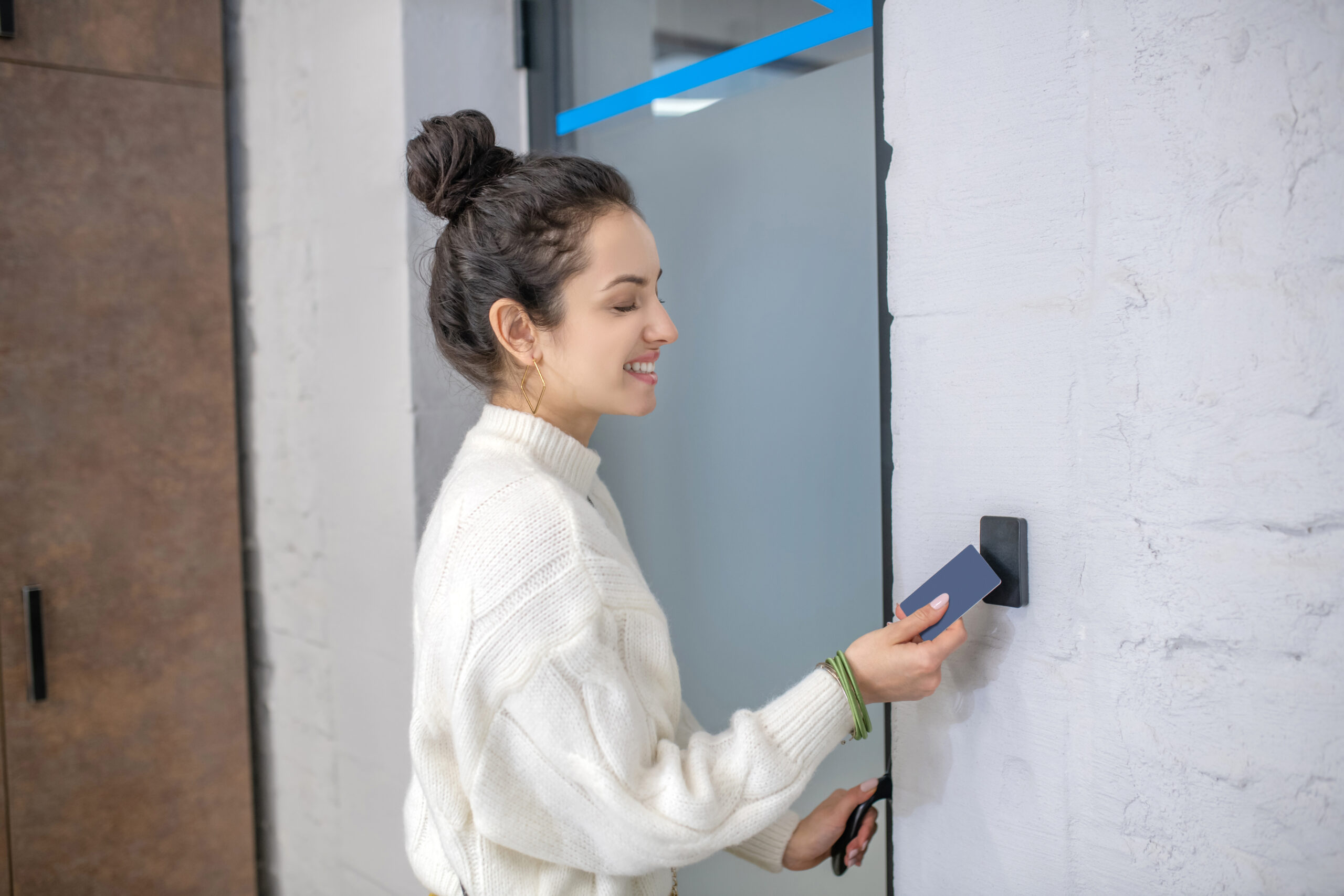
This is where these Access Control Systems come into the scenario. These modern advancements have vastly improved lock-and-key systems. Keycards, mobile credentials, biometric scanners, cloud-based platforms, and smart access control systems provide a more intelligent, secure, and effective method for handling entry points.
They not only enhance security but also boost operations, satisfy compliance requirements, and offer peace of mind. Businesses can have full control over who can access which files and at what time, with detailed access logs, custom permissions, and real-time monitoring.
Whether you are a small, medium, or enterprise identity, when you put money into the best access control system, you will be ensuring that your people, assets, and details are well protected.
What Is an Access Control System?
Access control systems are digital systems that are created to help grant and monitor who has access to a building, room, or secured area and the times that they do so. This system makes it possible to control access in an intelligent and protective manner with convenience, as it completely eliminates the use of traditional locks and keys in schools, businesses, hospitals, and any other type of facilities.
Below, we summarize the pillars of a modern access control system:
Credentials (Keycards, Mobile Devices, Biometrics)
Credentials are what users offer to gain access. This can be in the form of a physical keycard or fob, a mobile application installed on a smartphone, or in the form of biometric identifiers such as a fingerprint or facial recognition. Each credential is associated with a user profile and grants access rights.
Readers
Readers are units placed at entry points that authenticate a user’s credentials. The reader sends the information to the controller for validation once the credential is scanned or detected. From card swipes to biometric scanners, they exist in multiple forms.
Following are the benefits of fingerprint access control to keep up with the security needs of your modern business.
Controllers
The controller is the “brain” of the system. It receives info from the reader, matches it with saved permissions, and responds with the command to either unlock or deny access. Controllers may also log every entry attempt for auditing purposes.
Software/Management Interface
Here is the place administrators manage users, credentials, access levels, and reporting. Using this software, security teams can grant or revoke access, monitor activity in real time, and produce reports for compliance or investigations.
Fingerprint Access Control: A Modern Security Solution
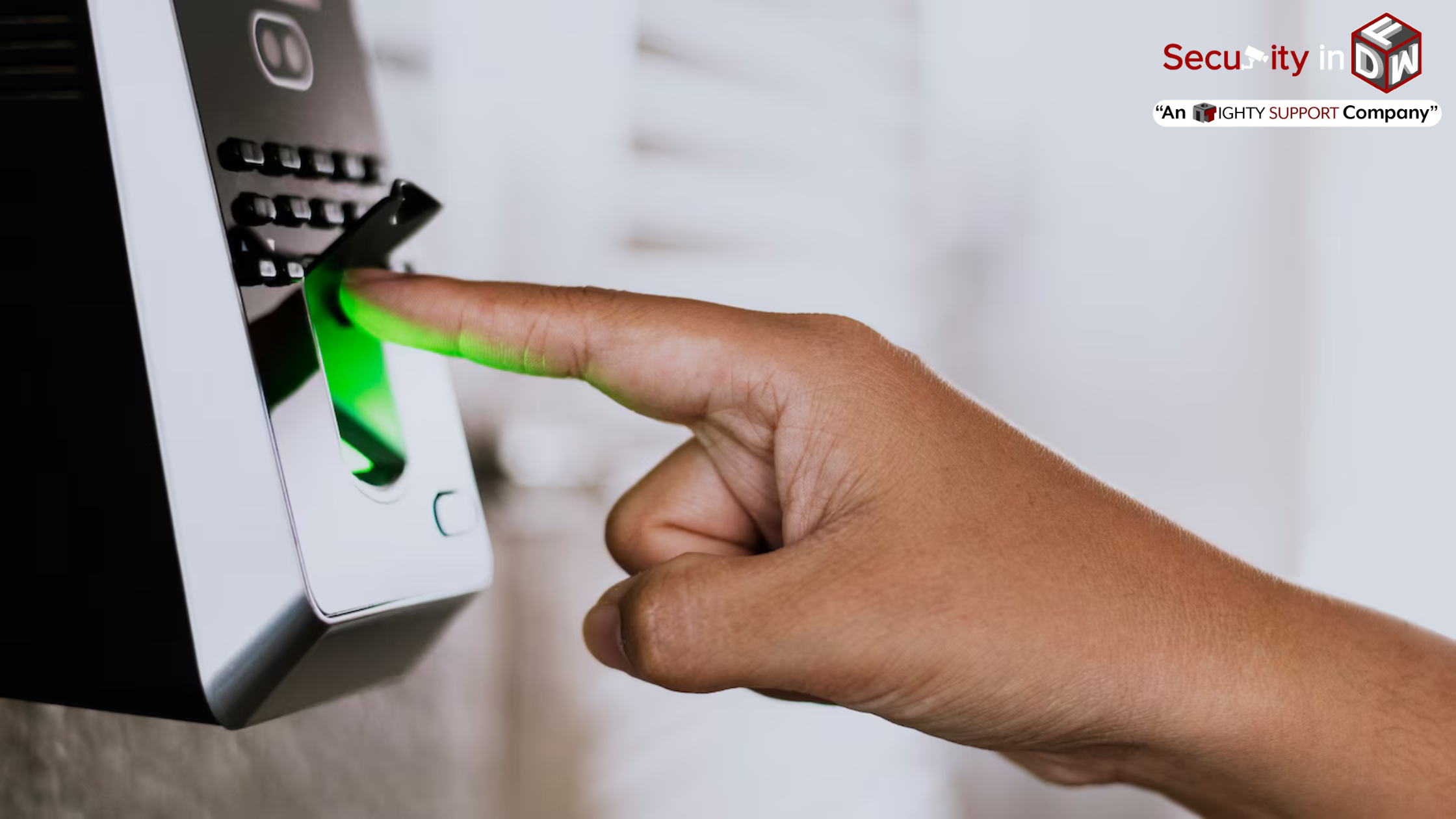
Fingerprint access control is a state-of-the-art security solution that utilizes biometric technology to provide access based on unique fingerprint patterns. As they cannot be lost, stolen, or duplicated, biometric access systems are more secure than traditional keys or codes. Fingerprint Access Control offers fast, contactless entry and is perfect for offices, homes, and high-security environments. Fingerprint access not only adds another layer of security to the device with its simple user interface and advanced encryption but also allows for convenient access, allowing only authorized people to enter.
Electronic Access Control vs Traditional Locks
As a business owner, it’s necessary to remain current with changing security requirements. Learning the distinction between electronic access control vs traditional locks enables us to select the optimal solution for our company.Here’s a breakdown of their main differences:
Feature |
Electronic Access Control (EAC) |
Traditional Locks |
|
Security Level |
High: Includes encryption, multi-factor authentication, and remote monitoring |
Moderate: relies on physical barriers, can be picked or duplicated |
|
Access Management |
Centralized: Access can be added, changed, or revoked remotely |
Manual: rekeying or changing locks required for access changes |
|
User Identification |
Keycards, PIN codes, biometrics, mobile credentials |
Physical keys only |
|
Integration with Other Systems |
Can integrate with CCTV, alarms, HR systems, and building automation |
Not possible |
|
Power Dependency |
Requires power or battery backup |
No power required |
|
Response Time for Changes |
Instant: Digital changes apply immediately |
Slow: Requires physical intervention |
Types of Access Control Systems: What Modern Businesses Need to Know
Selecting the type of access control system that meets your needs is the first step in securing your facility both physically and digitally. Most common types and what makes each unique:
Discretionary Access Control (DAC)
With DAC, the system owner or administrator decides who has access to what resources. It provides flexibility but also adds to the burden of responsibility on individual users, and thus leads to an increased risk of unauthorized access if not managed properly.
Mandatory Access Control (MAC)
MAC is a more strict security model in which access is determined by system-wide policies rather than per-user. This data is commonly used in government and military settings where different classification levels give strict user permissions, making it perfect for highly controlled environments.
Role-Based Access Control (RBAC)
RBAC provides access according to the user’s role in the organization. It streamlines management by creating buckets of users (HR, Finance, IT, and so on) and assigning them permissions based on those buckets. Its efficiency and scalability make it one of the most popular models to use for businesses.
Cloud-Based vs. On-Premise Solutions
Cloud-based systems provide remote management, automatic updates, and easy scalability, attracting businesses doing profile scaling and enabling companies to spend less on infrastructure.
Smart/Mobile Access (Bluetooth, NFC, Biometric)
Modern access systems now include smart credentials such as Bluetooth-enabled phones, NFC cards, and biometric scanners (face recognition, fingerprint). These options are more secure and convenient, and they don’t require a physical key or badge.
Why Your Business Needs Access Control (Main Benefits)

Implementing a modern access control system is one of the wisest investments of time and money for any business looking to keep its people, data, and assets safe. Here are the significant benefits of Access Control for Commercial Buildings:
Enhanced Security
Access Control Systems prevent unauthorized access to restricted physical and digital assets. These give you the ability to see when and where employees walk around your facility, with a view of day-to-day operations. By only allowing approved personnel to enter sensitive areas, the threat of insiders, theft, and safety implications are significantly reduced.
Audit Trails & Compliance
Healthcare, financial, or legal services companies have to comply with stringent regulations like HIPAA, PCI, or SOC 2. Access control systems automatically record every entry and exit, resulting in detailed logs that support regulatory audits. These default audit trails also help demonstrate due diligence and improve operational transparency.
Convenience & Flexibility
A well-designed system will allow you to easily grant or revoke access remotely via a cloud-based platform. You can limit access times for employees, vendors, or contractors, they can only enter when you allow them to do so. This flexibility makes it perfect for businesses where there is shift work, shared spaces, or multiple user levels.
Cost Savings
Although access control systems require an upfront cost, they lower the long-term cost of security by limiting the need for a physical security presence. They also eliminate the hassle and cost of rekeying locks or duplicating physical keys when an employee leaves or loses access credentials.
Scalable for Growth
When your business grows, your access control system can also expand with it. If you are opening new locations or adding new departments, the easy way is to use centralized control dashboards to manage access over multiple sites. What this means is that this scalability is the same across the different installations, so you maintain the same consistency, security, and you can do that without having to start over with your different installations.
Industry-Specific Applications of Professional Janitorial Services
Professional janitorial services do so much more than just providing cleanliness; they provide solutions tailored to the specific needs of each industry. Here’s the impact of specialized cleaning in various sectors:
Offices & Corporate Workspaces
In office environments, cleanliness has a direct impact on employee morale, health, and productivity. A reliable janitorial service makes sure common areas, desks, and restrooms are frequently cleaned and sanitized and appear sparkling clean. Regular disinfecting also reduces the spread of illness and leads to no sick days taken and a more professional environment for both clients and employees.
Warehouses & Industrial Facilities
Such high-traffic, high-dust environments need heavy-duty cleaning methods. Other key janitorial teams dedicate themselves to maintaining safe, slip-free floors, managing debris generation or disposal, and complying with OSHA standards. Routine clean-ups also eliminate equipment faults and allow an efficient work process.
Schools & Campuses
Hygiene is important in educational environments to protect the health of students and staff. Janitorial services emphasize high-touch surface disinfection, restroom cleaning, and floor care. This helps to minimize the transmission of germs and provides a cleaner, more focused learning environment.
Healthcare Facilities (HIPAA Compliance)
Though cleaning in healthcare is often seen as the more surface-level kind of work, it goes far deeper than that. The teams are trained in medical-grade sanitation and must follow strict privacy and compliance protocols, including HIPAA. Sensitive places can remain confidential and secure when we protect against infection through proper disinfection.
Retail Spaces
Retailers know that first impressions are important. Dirty floors, windows, and restrooms affect customer experience and brand perception. Janitorial services help support daily operations and keep retail environments clean, attractive, and up to health codes.
Choosing the Right Access Control System for Your Business
Choosing the right access control technique is a significant decision that impacts your daily operations as well as long-term security. There are so many choices out there, so it’s critical to weigh a few important things before choosing a solution.
Size of Premises
Your business’s physical layout and size also affect what type of system you’ll need. A single-entry retail store may need a basic solution, while multi-building campuses or high-traffic facilities need more sophisticated, multi-door solutions, including centralized control.
Number of Users
A system built for 10 users isn’t going to work as well for 100 or more. This is also important to guarantee that access management is smooth and that there are no delays or bottlenecks, so think about how many employees, contractors, or visitors would be using the system regularly.
Integration Needs
Access control is used by many businesses, and they can integrate it with their existing tools — HR databases, surveillance cameras, or alarm systems. Such connectivity simplifies operations, enhances security, and ensures both levels of effort and efficiency.
Budget & Scalability
Select a solution that aligns with your existing budget but can also expand in the future. A scalable system means you won’t have to rebuild from the ground up as your company expands or your security needs evolve.
Why Work with a Professional Access Control Installer
A professional access control installer puts more value into long-term investment than just installing hardware. From accuracy to effectiveness, expert installation ensures that your security system works precisely as it should and continues to do so for years to come.
Clean and Organized Setup
Professional installers ensure a clean, low-impact installation with as little visual wiring as possible, so you’ll hardly notice it with your existing infrastructure. This holistic approach not only enhances aesthetics but safeguards against potential physical attacks or tamper points as well.
Correct Hardware Placement
They are experts on where to position access points, sensors, and control panels to ensure maximum coverage and efficiency. Whether that be a high-traffic entry or a restricted zone, proper placement mitigates blind spots and ensures smooth daily operation.
Accurate System Configuration
A certified installer will ensure that all components of the system are properly integrated, programmed, and tested against the specific security needs of your facility. This covers everything from credential management to user permissions and emergency override settings specific to your facility.
Ongoing Support and Maintenance
By working with professionals, you are guaranteed access to continued support, including routine maintenance, system upgrades, and troubleshooting. It ensures your system remains efficient and secure over time.
Trusted Experience and Certifications
Reputable installers also have industry certifications and association partnerships with the top manufacturers to ensure they’re trained on the most recent technologies. They ensure that you are adhering to current and generally accepted standards and compliance requirements.
Conclusion
Access control is no longer an option; it is a key component of every modern security strategy. Now, whether you’re managing one location or many, you’ll need an access control system that can help protect people, property, and data while also reducing manual oversight.
When implemented with the right solution, the investment can also improve your physical security, lead to streamline daily operations, and promote scalability in the long run.
We keep you safe and secure by controlling who can enter any building in the world.
Book your free access control assessment now and discover how we can assist you in creating a more brilliant and more productive environment.
Our Service Area
- Anna
- Ardmore
- Aubrey
- Benbrook
- Bridgeport
- Briar
- Bonham
- Caddo Mills
- Carrollton
- Celina
- Commerce
- Corinth
- Denton
- Keller
- Justin
- Emory
- Farmersville
- Flower Mound
- Forney
- Fort Worth
- Frisco
- Gainesville
- Granbury
- Lantana
- Lewisville
- Lavon
- Little Elm
- McKinney
- Murphy
- Nevada
- Northlake
- Pilot Point
- Plano
- Princeton
- Quinlan
- Rhome
- Rockwall
- Royse
- Sachse
- Saginaw
- Sanger
- Sherman
- Sulphur Springs
- Sunnyvale
- Terrell
- Van Alstyne
- Prosper
- Wylie
- Weatherford
HOURS OF OPERATION
Monday through Friday :
9:00 am to 6:00 pm
After hours and weekend
CORPORATE OFFICE
1509 W Hebron Parkway
Suite Number 150
Carrollton, TX 75010