

 Mar 25, 2025
Top Security Threats in DFW and How to Protect Your Business
Top Security Threats in DFW and How to Protect Your Business
From break-ins and theft to data breaches and ransomware attacks, physical and cyber threats are expanding for Dallas-Fort Worth (DFW) businesses. As the region develops, so do the crime rates and sophisticated cybercrime that target businesses of all sizes either small or big.
Recent reports highlight an increase in property crimes, unauthorized access attempts, and cyber fraud, putting businesses at risk of financial losses and reputational damage. All businesses, need to remain vigilant in order to protect their assets and sensitive data.
This guide highlights the common security threats in DFW and practical steps business owners can take to protect themselves. By realizing these threats and taking proactive measures to protect your systems, you can make stronger defenses that will ultimately lead to business success.
This blog addresses everything you need to know about security cameras, types, features, benefits, and how to choose the right security camera installation service for your business.
Understanding the Security Landscape in DFW
The Dallas-Fort Worth (DFW) metropolitan region is booming and offers good opportunities for businesses, investors, and a robust workforce. However, alongside this growth there is an increase in security challenges, physical and digital.
At the same time, threats to a business’s physical security from theft, break-ins, and vandalism are on the rise affecting companies of all sizes. Hence corporate offices, retail stores, and industrial facilities need to secure themselves against these risks proactively.
Simultaneously, cyberattacks especially hacking, data breaches, and phishing attacks are becoming more advanced. This is especially risky for small businesses, which do not typically have the resources to fight such cyber threats effectively.
Financial loss, reputation loss, system loss, and dismissal of employees are very tough, as no organization wants a security breach. From a physical break-in to a cyberattack, companies need to develop robust security measures to safeguard their assets, staff, and customers. Identifying these risks is a crucial first step in the process of creating a safer business landscape in DFW.
Top Security Threats in DFW
As the Dallas-Fort Worth (DFW) region continues to thrive as an economic powerhouse, businesses are increasingly vulnerable to escalating security threats that compromise their assets, employees, and operations. Whether from a physical break-in or an internal threat, hands-on companies need to remain proactive in protecting their property. Here are the top security threats to companies in DFW:
Physical Security Threats in DFW
Burglaries & Break-Ins
Commercial burglaries are on the rise; criminals are hitting retail establishments, office buildings, and warehouses. Areas in DFW that have a higher tendency of being broken into are those that have poor security, lack of surveillance, and easy access points.
Businesses with weak locks, unsecured windows, or minimal lighting make prime targets for thieves, who frequently case places before they pounce.
Vandalism & Property Damage
Apart from financial loss, vandalism can tarnish a business’s good name. Frequent targets are storefronts, office spaces, and warehouses, where graffiti is tagged, windows are smashed and property is damaged.
This vandalism most often occurs after hours when businesses don’t have security staff.
Workplace Violence and Internal Threats
Threats don’t always come from outside. This can rightly be seen as a serious security risk for workplace violence and insider threats. Disgruntled employees, ex-employees, or even outsiders can harm you, steal information, or damage property and assets. Lack of employee screening and improper access controls make businesses vulnerable.
Vehicle Theft & Supply Chain Risks
Commercial vehicle and equipment theft is becoming more prevalent throughout all of DFW (Dallas Fort Worth), more notably for businesses involved in logistics, construction, and transportation. It’s common for robbers to focus on trucks, delivery vans, and expensive machinery, resulting in financial losses and disruption to businesses.
Cybersecurity Threats
Cyber attacks are ever more threatening businesses in the Dallas-Fort Worth (DFW) area causing financial loss, data breaches, and reputational harm. These types of cyber risks can protect your business, if you understand these threats and take proactive steps.
Ransomware & Cyber Attacks
There has been an increase in ransomware attacks against businesses of all sizes ( big and small) across DFW. In an attack, hackers encrypt a company’s data and demand a ransom to unlock it, often bringing significant financial and operational disruption.
- Case Study: Millions in losses due to ransomware attacks at numerous DFW businesses. Some companies ended up paying the ransom; others took weeks to recover and lost the trust of customers.
- Impact: Cyberattacks cause financial damages and negatively affect a company’s reputation, leading to loss of business and legal problems.
Phishing and Social Engineering Scams
Phishing emails, phone calls, and fake websites are used by cybercriminals to convince employees to give them sensitive information. These scams seek to obtain login credentials, financial information, or access to business systems.
- Tactics Used: Attackers will craft emails that appear to come from trusted entities (banks, vendors, or even corporate management) Employees can also accidentally click on harmful links or download infected attachments.
- Employee Risk: Multiple businesses in DFW have fallen victim to phishing, where the employee unintentionally exposes sensitive data. Since employees typically have the least protection in cybersecurity without proper training, they are often the weakest link.
Data Breaches and Compliance Issues
A data breach is when cybercriminals have access to sensitive business or customer information. Consequences can include financial losses, legal penalties, and a loss of consumer trust.
Why It Matters: Businesses that deal with customer data have to adhere to industry standards, including:
- HIPAA (Health Insurance Portability and Accountability Act) Guide for healthcare businesses.
- PCI-DSS (Payment Card Industry Data Security Standard) for businesses processing payments.
Consequences: Not safeguarding data can lead to massive penalties, lawsuits, and reputational damage. Many businesses struggle to recover after a data breach.
Remote Work Security Challenges
As more businesses provide remote work options, though, so have cybersecurity risks. Home networks and individual devices do not have the same protections that exist in an office setting.
- Vulnerabilities over Employees Home Network: Employees might be on unsecured Wi-Fi or out-of-date software, making it easy for hackers.
- Unauthorized Access: Cybercriminals could either intercept sensitive company data or gain access to business systems by using stolen credentials.
How to Protect Your Business from Security Threats
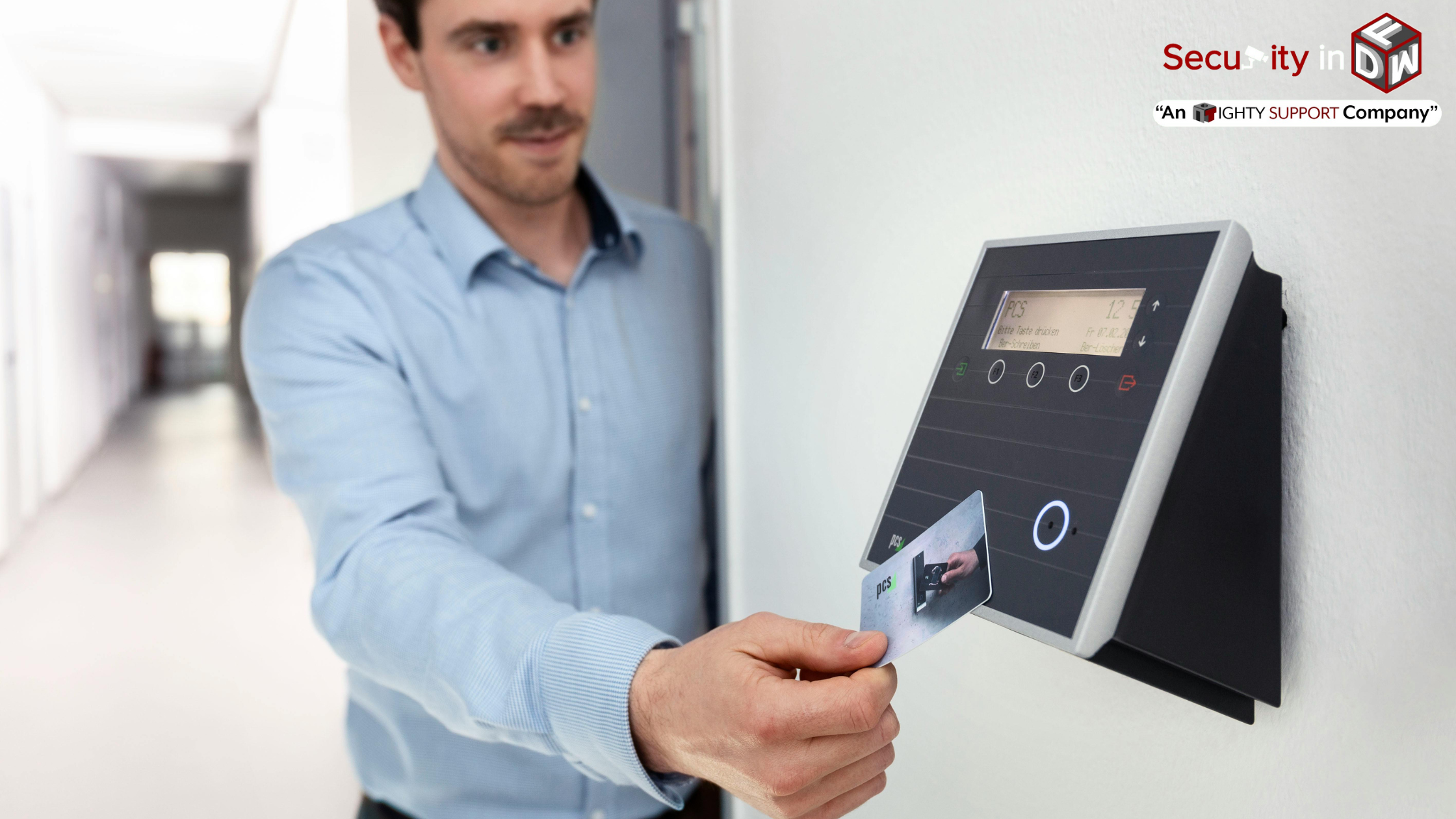
The potential damage to a business from security threats, both physical and digital, is significant. Enterprises and organizations are under threat in the form of break-ins and theft, cyberattacks, data breaches, and more, so taking preventive action to protect organizational assets, employees, and sensitive data. Here are several critical steps that can reinforce physical security and cybersecurity to help protect your business.
Strengthening Physical Security
Access Control Systems
One of the most effective ways to deny unauthorized entry is by utilizing Access Control Systems. These systems enable businesses to manage access to the physical building by means of keycards, biometrics (fingerprint or facial recognition), or mobile. Employees will probably only get access to the areas they need for their functions, which minimizes security risks.
24/7 Surveillance Cameras and Alarm Systems
CCTV cameras, along with a smart alarm system, are a deterrent for criminals. Surveillance cameras provide monitoring of premises in real-time, allowing security teams to quickly react to incidents. Alarm systems with motion detectors, glass-break sensors, and smart alarms provide additional levels of security, notifying business owners and law enforcement at the moment of breach.
Employee Training & Security Awareness
Human error is one of the greatest security threats. Here are some steps that can highlight this issue: IT systems training providers must ensure that their employees are trained on security protocols, emergency procedures, and the importance of vigilance. Basic practices like securing doors, reporting suspicious behavior, and restricting access credentials are deterrents to insider threats and unauthorized access.
Hiring Professional Security Services
In most cases, protecting high-value assets or sensitive information is the best choice to hire professional security guards for your business. According to the security risk level, companies can use armed or unarmed guards to patrol the premises as well as monitor security personnel and respond to them successfully.
Enhancing Cybersecurity Measures
Implementing Firewalls and Endpoint Security
An effective firewall protects a company’s internal network from the internet by intercepting malicious traffic. Tools like antivirus software and intrusion detection systems are endpoint security solutions that help shield personal devices (PCs, smart devices) from cyberattacks such as malware and other ransomware threats.
Regular Data Backups & Disaster Recovery Plans
Data, whether you lose it due to a cyberattack, hardware failure, or wrong user action that accidentally deletes data, can lead to significant data losses. Automated backups can be used by businesses to securely store business-critical information both in cloud servers and with external drives. Disaster recovery planning ensures rapid restoration of data according to requirements and minimizes downtime, preventing serious financial losses.
Multi-Factor Authentication (MFA) and Password Security
Weak passwords are among the top causes of a cyber breach. Companies must implement a stringent password policy and demand MFA for logins. MFA provides an additional layer of security by prompting users to confirm their identities by a second method (e.g. entering a code that has been sent to their phone or email).
Cybersecurity Training for Employees
Cybersecurity awareness is just as important as physical security training. Staff need to be educated on being able to look for phishing emails, avoiding suspicious links, and protecting company data. Companies should conduct regular security drills and provide training to employees on best practices to keep their eyes peeled for cyber threats.
Conclusion
Data breaches, cybersecurity threats, and risks are all rising for DFW companies. It is too late to wait for an attack; proactive security will protect your assets, data, and reputation.
Don’t be the one to wait until it’s too late! Stay ahead of the curve with your security today and protect your business against the changing landscape of crime.
Contact us today for a FREE Security Consultation or audit to determine where you are most at risk and how to protect yourself. Stay secure, stay ahead!
Our Service Area
- Anna
- Ardmore
- Aubrey
- Benbrook
- Bridgeport
- Briar
- Bonham
- Caddo Mills
- Carrollton
- Celina
- Commerce
- Corinth
- Denton
- Keller
- Justin
- Emory
- Farmersville
- Flower Mound
- Forney
- Fort Worth
- Frisco
- Gainesville
- Granbury
- Lantana
- Lewisville
- Lavon
- Little Elm
- McKinney
- Murphy
- Nevada
- Northlake
- Pilot Point
- Plano
- Princeton
- Quinlan
- Rhome
- Rockwall
- Royse
- Sachse
- Saginaw
- Sanger
- Sherman
- Sulphur Springs
- Sunnyvale
- Terrell
- Van Alstyne
- Prosper
- Wylie
- Weatherford
HOURS OF OPERATION
Monday through Friday :
9:00 am to 6:00 pm
After hours and weekend
CORPORATE OFFICE
1509 W Hebron Parkway
Suite Number 150
Carrollton, TX 75010