
 Feb 13, 2026
How to Choose the Right Electric Strike for Your Door Type
Access control is no longer a luxury when it comes to securing property; it is a necessity. Regardless of whether you are operating a commercial office, a retail store, an apartment complex, a healthcare center, or even the modernization of an entry to a building, the choice of the appropriate electric strike is an important step in creating a security system that works. Most individuals pay their attention to card readers, Biometry gadgets, or key pad system, yet the mechanism that literally opens and closes the door is the electric strike. Even a highly developed access control system may be reduced to nothing without picking the correct one.
When you are installing an electric strike, you should be aware of compatibility, the nature of the door, traffic, locking system, fire protection, and durability in the long run. The wrong decision may cause incessant maintenance, security problems, and unwarranted replacements. This step-by-step guide will make you know all you should about selecting the right electric strike for your door.
Understanding What an Electric Strike Is
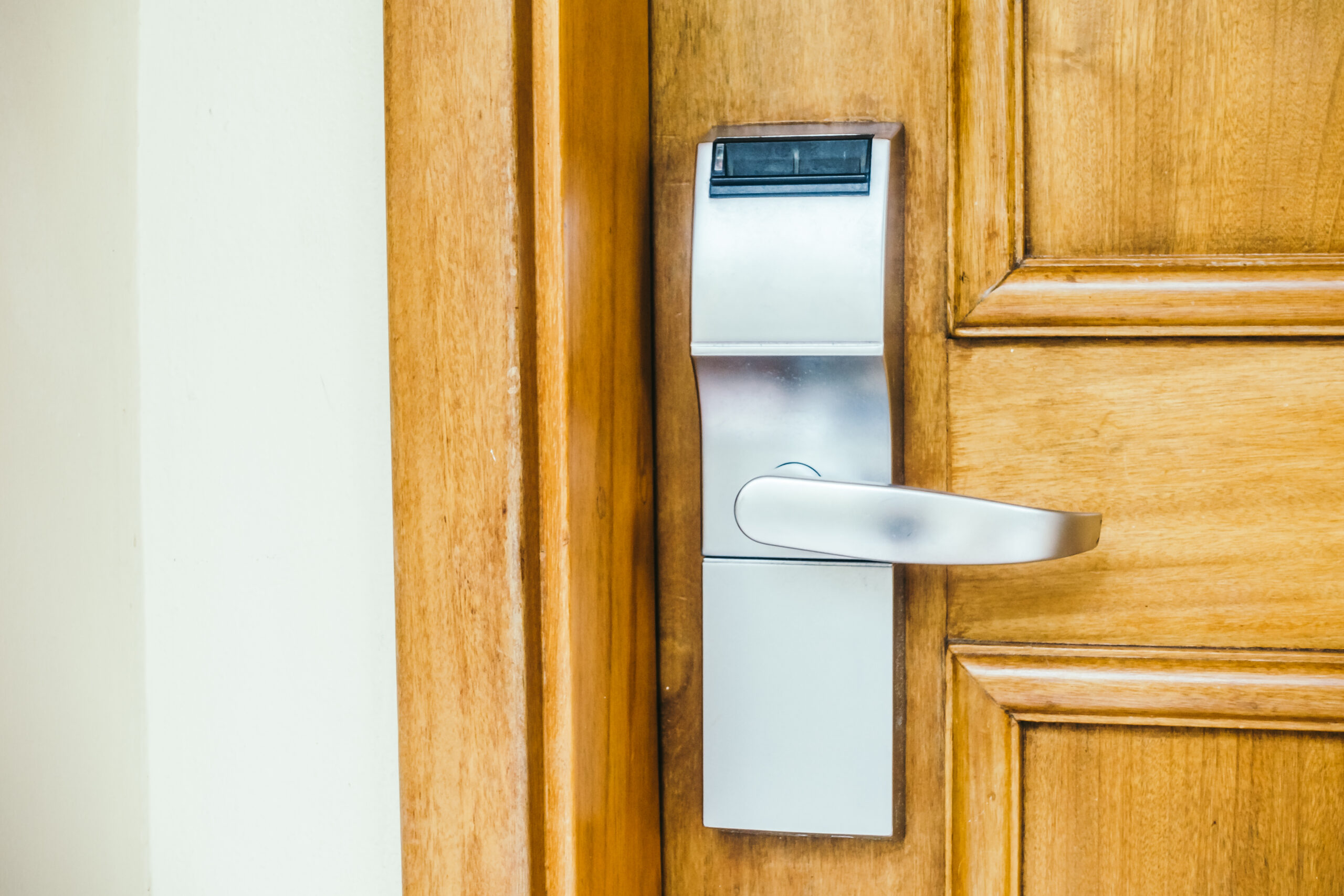
An electric strike refers to an access control unit aligned in the door frame and integrated with a set of locks or a lock. Rather than substituting the whole lock, the electric strike substitutes the fixed strike plate in the frame. With the use of power, the latch is freed by the strike, and the door opens without the handle or the key being turned on the outside.
In a professional electric strike system, the strike is combined with keypads, card readers, intercom, or biometric scanners. Upon entry of authorized access, the strike opens temporarily, and upon entry of power, it switches back to a safe position depending on the setting.
The first step in selecting the appropriate model for your particular door configuration would be to understand how it works.
Why Choosing the Right Electric Strike Matters
The electric strikes are not all alike. Doors are available in materials, thickness, fire rating, and frequency. Application of the incorrect type may lead to misalignment, incorrect locking, a lack of security, and even violation of codes.
An electric strike is installed properly to guarantee a smooth running, locking, and reliability. Unless the strike can fit the door hardware, then locking, door sagging, or the strike binding can occur. With time, these issues affect the efficiency of security and access control.
Identify Your Door Type First
To choose an electric strike, you have to identify the kind of door you are dealing with. Wooden, hollow metal, aluminum storefronts, and glass doors all have varying requirements.
Commonly, wooden doors are used in offices. They are also normally more flexible when installing electric strikes since the frame is much easier to adjust.
There are hollow metal doors that are used in commercial buildings and need heavy-duty strikes that are made with high durability. Such frames can require a lot of cutting and reinforcement to bear the strike correctly.
Storefront doors made out of aluminum normally have narrow stile hardware. In case these, you will require a slender-shaped electric strike that is specific to aluminum frames. A conventional strike will not fit properly on these doors and only contribute to decreasing the strength of the frame.
Knowing your type of door helps you to be compatible from the very beginning.
Determine the Lock Type You Are Using
Electric strikes should also be equivalent to the locking hardware that has already been installed on the door. It is also one of the most important points in the installation of an electric strike.
At offices and buildings, cylindrical locks are used. These are spring-latched locks and tend to be compatible with the normal electric strikes.
Mortise locks are more difficult and cumbersome. They may also need particular electric strikes that can fit the latch and deadbolt combination.
Rim exit devices, which are often used on commercial emergency exits, also require rim-type electric strikes. These are not the ordinary types of strikes and are intended to operate with panic bars.
Multi-point locks and interconnected locks might require electric strike solutions that are specific. The improper selection of the type of strike in a lock can lead to improper alignment and failure of security.
Fail-Safe vs Fail-Secure Configuration
There are also choices in the fail-safe or the fail-secure models when the electric strike installation is planned.
Fail-secure electric strikes are struck in place when a power failure occurs. They open on the application of electricity. They are usually applied in exterior doors where security is of a high priority.
Fail-safe electric strikes are not locked out when power is cut off. They lock only to the application of electricity. They are mostly applied in interior doors where security and emergency exit are a priority.
This decision would be determined on the basis of building codes, fire regulations, and the purpose of the door. According to an example, commercial buildings have emergency exits that are usually made to be fail-safe, so the occupants can be able to leave the building in case of a power failure.
Compliance and security are guaranteed when these differences are understood.
Consider Traffic Volume and Usage
The number of times the door is used is a significant factor in the choice of the correct electric strike. Distributors are heavy-duty types of electric strikes that are constructed to be used at all times, in high-traffic doors that are used within offices, hospitals, and schools.
When the strike is under-rated to carry the quantity of traffic, it will wear out fast, which will result to problem with access and also frequent repairs. In cases with low-traffic doors, a standard duty strike can be adequate.
When conducting the electric strike installation, the professionals evaluate the daily usage cycles to make sure that the chosen strike will be able to sustain the amount of work, and, in the meantime, it will not be out of service.
Evaluate Holding Strength and Security Ratings
Holding strength is the level of force that the electric strike can sustain when locked. Electric strikes that are of commercial grade commonly offer holding forces of 500 pounds to 1,500 pounds and above.
When securing an area of high risk like a server room, warehouse, or small office space, there is a necessity to select a strike that has a higher holding strength.
Security certifications and ratings are also important. Find goods that are on ANSI or other accepted security standards. Hardware certification is important during the installation of electric strikes as it makes them durable and ensures compliance with the prescribed regulations in the industry.
Fire-Rated Door Compatibility
Fire-resistant doors are equipped with particular electric strikes that preserve the fire integrity of the door. A non-rated strike on a fire-rated door may be installed, breaking the building codes and safety.
An electric strike installation on a fire-rated door should be done when it is checked to ensure that the strike is appropriately fire-certified. Any alterations to fire doors must be made in an unacceptable fashion, and this will invalidate the fire door rating, making the outcome of such acts highly legal.
This is especially significant in commercial buildings, medical institutions, and schools.
Voltage and Power Requirements
Electric strikes run on low-voltage electricity, 12V or 24 V AC/DC. It is always important to ensure the voltage provided by your access control unit before deciding on the strike.
Others are field-selectable, which means the flexibility of voltages, whereas others are fixed. When an electric strike is installed, the compatibility of the voltage prevents failure or destruction.
The stability of the power supply is also important. Varying voltage may result in buzzing, part unlocking, or too early wear of internal components.
Weather Resistance for Outdoor Applications
In case the door is left to the outside environment, the electrical strike should be weather-resistant. Performance may be influenced by rain, humidity, dust, and temperature variations.
Electric strike installation should be outside and needs some corrosion-resistant material, including stainless steel, and sealed internal components. In the absence of weather protection, the strike can not be sustained.
The design of a strike aimed at exterior use will be reliable in the long term and require less maintenance.
Integration with Access Control Systems
Your electric strike is supposed to be part of the greater access control system. Regardless of the keycards, fobs, mobile credentials, or biometric scanners, the strike must be reliable in responding to control signals.
Wiring should be hidden and covered during the installation of the electric strike to avoid tampering. Integration testing will also make sure that once the access is granted, the strike release will not be delayed.
Lack of proper integration may lead to delays in accessibility, aggravated users, and security risks.
Long-Term Maintenance and Durability
One of the priorities that must be considered in selecting an electric strike should be durability. Good models have hardened steel components and reinforced construction to be able to withstand years of use.
Routine checks are maintenance that include checking alignment, screw tightening, and wiring checking. The selection of a well-known brand decreases the maintenance expenses and downtime in the long-term.
A skilled electric strike installation would reduce the number of service calls in the future because everything would be adjusted and fixed in the correct position.
Conclusion
Choosing the right electric strike ensures your access control system operates securely, efficiently, and in compliance with safety standards. From door type and lock compatibility to traffic volume and fire ratings, every detail matters in a successful electric strike installation. Don’t risk performance or security with the wrong hardware. Consult experienced professionals to assess your needs and ensure a precise, code-compliant installation that delivers long-term reliability.
Our Service Area
- Anna
- Ardmore
- Aubrey
- Benbrook
- Bridgeport
- Briar
- Bonham
- Caddo Mills
- Carrollton
- Celina
- Commerce
- Corinth
- Denton
- Keller
- Justin
- Emory
- Farmersville
- Flower Mound
- Forney
- Fort Worth
- Frisco
- Gainesville
- Granbury
- Lantana
- Lewisville
- Lavon
- Little Elm
- McKinney
- Murphy
- Nevada
- Northlake
- Pilot Point
- Plano
- Princeton
- Quinlan
- Rhome
- Rockwall
- Royse
- Sachse
- Saginaw
- Sanger
- Sherman
- Sulphur Springs
- Sunnyvale
- Terrell
- Van Alstyne
- Prosper
- Wylie
- Weatherford
HOURS OF OPERATION
Monday through Friday :
9:00 am to 6:00 pm
After hours and weekend
CORPORATE OFFICE
1509 W Hebron Parkway
Suite Number 150
Carrollton, TX 75010